
Understanding Elevator Types for Modern Infrastructure
In the dynamic landscape of modern buildings, choosing the right elevator system is crucial for both comfort and efficiency. Understanding the various types of elevators can make a significant difference in enhancing accessibility and improving the flow of people and goods. At E-sols, we pride ourselves on offering advanced elevator solutions tailored to meet the diverse needs of both residential and commercial spaces.
How Do Elevators Work?
Elevators operate using a basic principle of mechanical systems, with various technologies that dictate how they function. At the heart of every elevator is a system that moves the cab up and down along a shaft. This movement is typically powered by a motor that drives a pulley system, whether it’s a hydraulic piston, a set of cables, or a machine placed elsewhere. Depending on the type of elevator, the mechanism can vary significantly from one design to another.
Elevator Systems Overview
The elevator industry has evolved to include a range of designs and technologies, each suited for specific applications. The choice of an elevator type depends on factors such as the building’s height, purpose, and the weight it needs to carry. Let’s take a closer look at the main types of elevators available today.
Main Types of Elevators
- Conventional Elevators
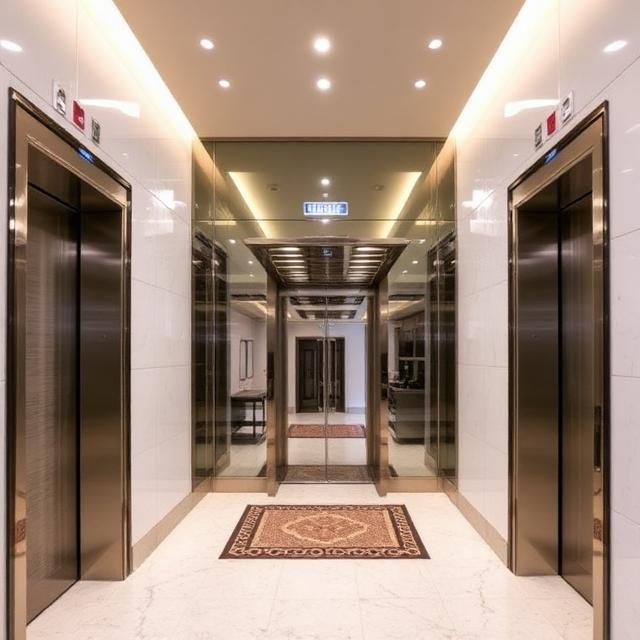
Conventional elevators are perhaps the most recognized type, often found in multi-story buildings. They operate using either hydraulic systems or traction systems. Hydraulic elevators are cost-effective and ideal for low-rise buildings, while traction elevators are commonly used in taller structures due to their smooth and energy-efficient performance.
- Platform Lifts
Designed with accessibility in mind, platform lifts are an excellent solution for navigating short distances, particularly in public spaces and residential homes. They require less space than traditional elevators and can be installed in various locations, making them perfect for access to stages, ramps, or between levels in a building.
- Elevators for the Elderly and Disabled
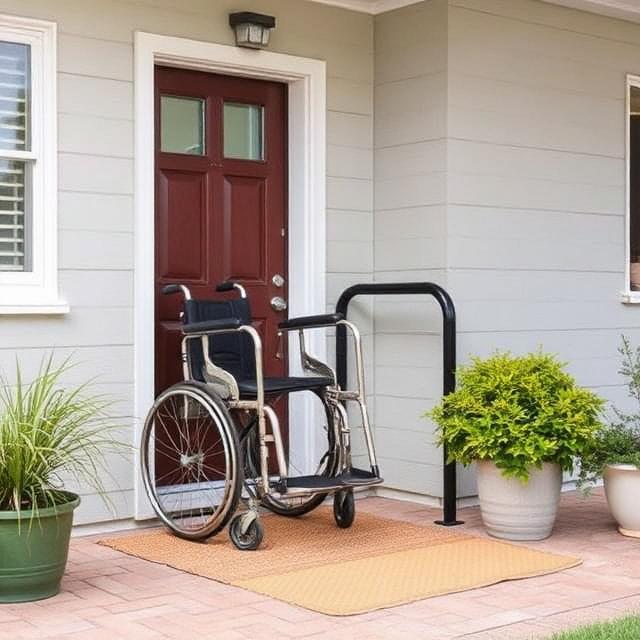
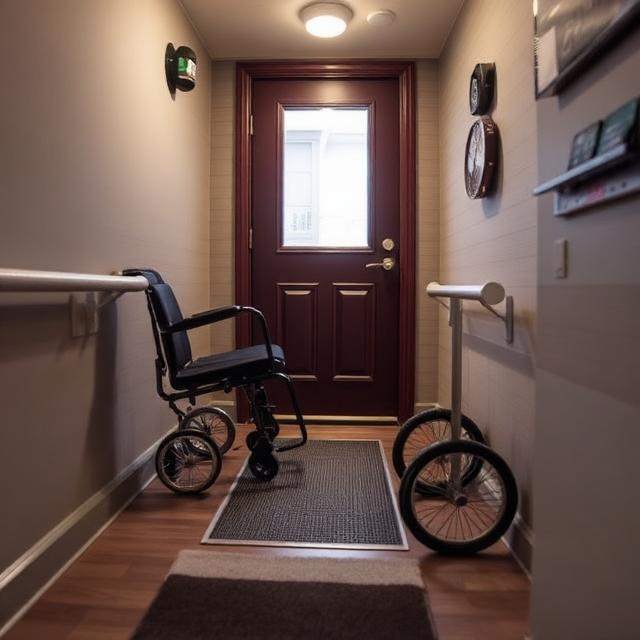
Dedicated to enhancing mobility, these elevators are specially designed to accommodate the unique needs of individuals with mobility challenges. They feature larger cabins, user-friendly controls, and safety features to ensure a smooth and comfortable ride.
- Home Elevators (e.g., E-sols)
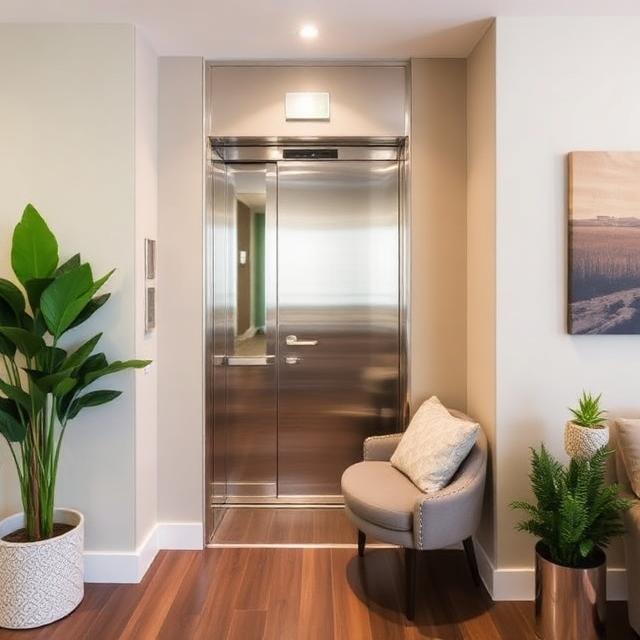
As homes become more modern, so do the solutions available for enhancing accessibility within them. Home elevators, like those offered by E-sols, include machine room-less (MRL) designs which save valuable space and reduce installation complexity. These elevators are perfect for low-rise residential buildings, providing a cost-effective and efficient way to move between floors.
Conclusion
In conclusion, selecting the right elevator type is essential for modern infrastructure, influenced by considerations such as the building’s design, traffic patterns, and the specific needs of its occupants. At E-sols, we understand the importance of reliable, innovative elevator systems tailored to enhance residential and commercial environments. Whether you need a conventional elevator for a high-rise office building or a home elevator that fits seamlessly into your space, our team is here to help you find the right solution for your needs.
If you’re considering upgrading your building’s elevator system or exploring options for a new installation, contact us at www.esols.ca. Let’s elevate your infrastructure together!