
A Guide to Selecting Elevators, Lifts, Ramps, and Other Accessibility Systems
In today’s world, ensuring accessibility for all individuals is essential, whether it’s in residential homes or commercial properties. With a variety of options available, it can sometimes be overwhelming to choose the right accessibility equipment for your needs. This guide will help you navigate the decision-making process by breaking down important considerations and safety guidelines for selecting elevators, lifts, ramps, and other accessibility systems.
General Safety Guidelines for All Accessibility Equipment
When selecting any type of accessibility equipment, safety should always be your top priority. Here are some fundamental guidelines to keep in mind:
– Quality Standards: Ensure that the equipment meets high-quality standards and complies with local building codes.
– Regular Maintenance: Schedule regular inspections and maintenance checks to keep your equipment in safe working order.
– User Instructions: Provide clear and concise user instructions, including emergency procedures.
– Accessibility Features: Look for features like non-slip surfaces, handrails, and emergency alarms.
Wheelchair and Mobility Scooter Safety
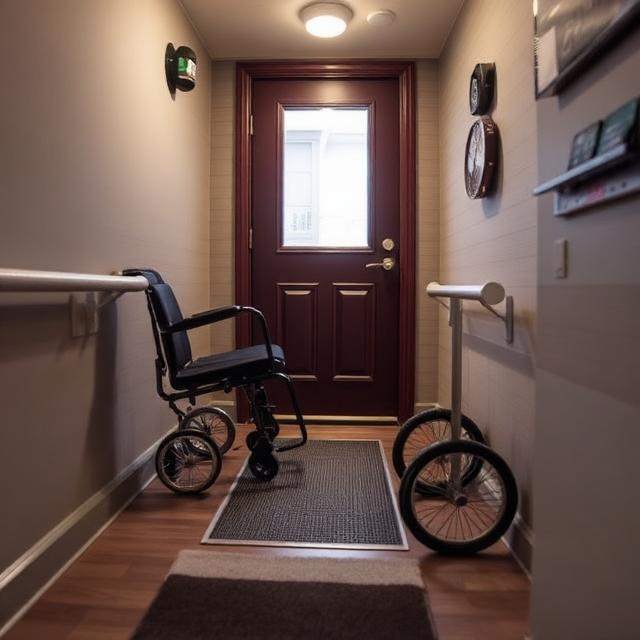
For wheelchair and mobility scooter users, safety is multifaceted. Consider the following:
– Accessibility Equipment for Homes: Ensure that doorways, hallways, and entrances are adequately sized and free from obstacles.
– Training: Provide training for users and caregivers on how to operate mobility aids safely.
– Weight Limit: Always adhere to the weight capacity of your mobility devices to prevent accidents.
Stairlift and Elevator Safety
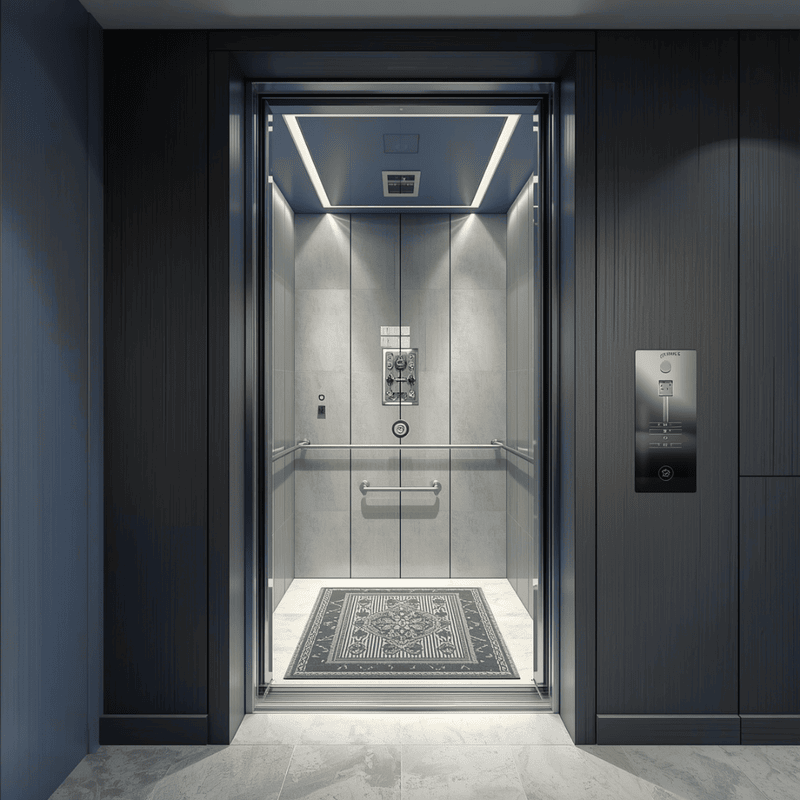
Stairlifts and elevators are critical for vertical accessibility. Keep these tips in mind:
– ADA Compliance: Ensure that all stairlifts and elevators comply with the Americans with Disabilities Act (ADA).
– Installation: Use licensed professionals for accessibility equipment installation to guarantee safety and compliance.
– Emergency Features: Check that emergency stop buttons and alarm systems are functional.
Ramp and Platform Lift Safety
Ramps and platform lifts can be practical solutions for homes and businesses alike. Here’s what to consider:
– Slope Ratio: Make sure that the ramp maintains a gentle slope—typically a 1:12 ratio is recommended for wheelchair users.
– Surface Material: Opt for non-slip materials to reduce the risk of falls in wet or icy conditions.
– Weight Capacity: Confirm the weight capacity of ramp systems to ensure they meet your needs.
Bathroom and Home Accessibility Equipment Safety
Bathrooms can be particularly challenging for individuals with mobility issues. Consider these safety measures:
– Grab Bars: Install grab bars next to toilets and in showers to provide users with additional support.
-Accessible Home Equipment: Use resources designed specifically for accessibility, such as walk-in tubs or shower seats.
– Clear Pathways: Keep pathways clear of obstacles and ensure doors are wide enough for wheelchair access.
Training and Education for Users and Caregivers
Proper training for those using and caring for individuals with mobility needs is vital. This could include:
– Regular Workshops: Organize workshops to educate users and caregivers about the safe operation of mobility aids.
– User Manuals: Provide comprehensive user manuals that detail safety practices for each piece of equipment.
– Emergency Procedures: Institute a plan for emergencies, including evacuation practices.
ADA & Regulatory Compliance
Navigating the legislative landscape around accessibility can be challenging. Here’s what to keep in mind:
– Knowledge of Regulations: Familiarize yourself with the ADA and other local accessibility guidelines to ensure full compliance.
– Work with Professionals: Consult with specialists in accessibility solutions for the property to stay informed about any changes in regulations.
– Documentation: Keep documentation of compliance readily available for inspections or audits.
Selecting the right accessibility equipment is not just about convenience; it’s about creating a safe and functional space for everyone. Whether you’re considering mobility equipment for buildings or home accessibility solutions, taking the time to research and understand your options can make a world of difference. Remember, the right choices today pave the way for a more inclusive tomorrow.