
Creating an inclusive environment is essential for ensuring that everyone can access and navigate spaces comfortably and safely. As property owners, whether residential or commercial, understanding the various accessibility equipment options available is crucial in meeting both legal requirements and the needs of diverse individuals. This guide will walk you through the essential considerations for selecting the right elevators, lifts, ramps, and other accessibility systems for your property. From assessing your specific needs to exploring different types of equipment and understanding compliance regulations, this comprehensive approach aims to empower you to make informed decisions that enhance accessibility for all.
Understanding Accessibility Standards and Regulations
Overview of ADA Guidelines
The Americans with Disabilities Act (ADA) is like the superhero of accessibility standards—fighting for the rights of individuals with disabilities since 1990. It sets forth nationwide guidelines to ensure that buildings are accessible to everyone. Key elements include requirements for ramps, elevators, and door widths, as well as ensuring that pathways are navigable. Ignoring these guidelines is like attempting to win a marathon while wearing flip-flops—don’t do it!
State and Local Accessibility Laws
While the ADA provides a solid foundation, state and local jurisdictions often sprinkle their own regulations on top like confetti at a parade. States may have specific codes that are more stringent than the ADA, and municipalities might require unique features based on community needs. Always check your local laws—what might fly in one state could result in a big, red “no” in another.
Importance of Compliance for Safety and Inclusion
Compliance isn’t just about avoiding fines; it’s about creating a welcoming, inclusive environment where everyone can participate equally. Non-compliance can lead to safety hazards and exclusion, which is the polar opposite of what accessibility should achieve. Think of it this way: ensuring compliance is like making sure your party has enough chairs—everyone deserves a seat at the table!
Assessing Your Property’s Unique Needs
Evaluating Current Accessibility Challenges
Before you dive into the world of accessibility equipment, take a good look at your property’s current challenges. Are there steep stairs that make you feel like you’re on a never-ending hike? Or narrow doorways that could leave someone in a jam? Assessing these obstacles will give you a clearer picture of what needs to be addressed. A little investigation now can save a whole lot of headaches later!
Consulting with Accessibility Experts
When in doubt, call the pros! Accessibility consultants can provide invaluable insights that you might not even have considered. These experts can help tailor solutions to your property’s needs, ensuring all regulations are met while keeping things user-friendly. Think of them as your accessibility GPS, guiding you down the right path.
Involving Stakeholders in the Decision-Making Process
Don’t forget to involve those who will be directly impacted by the changes—staff, residents, and visitors. Gathering input from stakeholders can provide a wealth of insight that might influence your selection of equipment. It’s like crowd-sourcing opinions for the perfect pizza topping; everyone wants a say, and ultimately, it makes for a better final choice.
Types of Accessibility Equipment: An Overview
Comparative Features of Elevators, Lifts, and Ramps
Elevators, lifts, and ramps all serve the noble purpose of making spaces more accessible, but they come with their own quirks and perks. Elevators are like the luxury SUVs of accessibility—spacious and capable of handling heavy loads over multiple floors. Lifts can be more compact and easier to install, making them the sporty coupes of the bunch, while ramps are the trusty economy cars, offering an easy incline for wheelchair users and strollers alike. Choose what fits your needs and budget!
Technology Advancements in Accessibility Solutions
Hold onto your hats, because technology in accessibility is growing faster than a toddler on a sugar rush! Innovations like smart lifts with app integrations and automated ramps are changing the game. Features like voice activation and sensor technology are not just impressive; they make accessibility smoother and more intuitive than ever. Stay updated on the latest tech to ensure your property is future-ready!
Customization Options for Specific Needs
Just like no two pizzas are the same, neither are the needs of every property! Customization options for accessibility equipment allow you to tailor features to best fit your space. From color choices to size adjustments and varied loading capacities, customization ensures the equipment doesn’t just do the job—but does it with flair. Think of it as creating your own accessibility masterpiece!
Elevators vs. Lifts: Making the Right Choice
Understanding Different Elevator Types
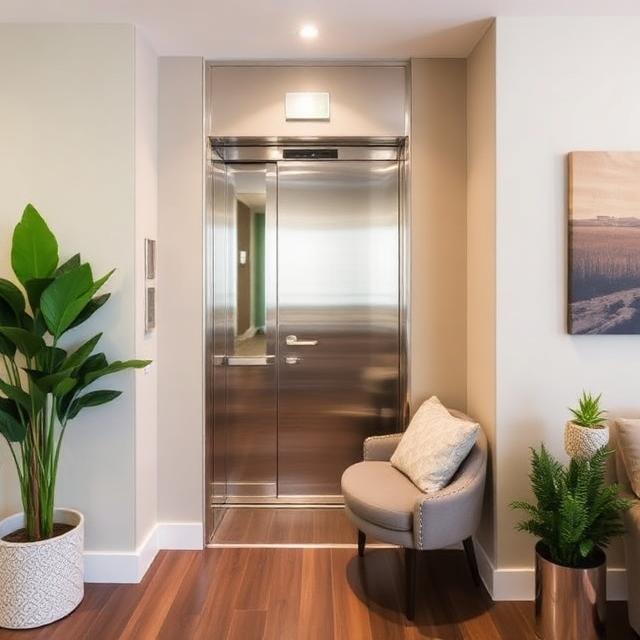
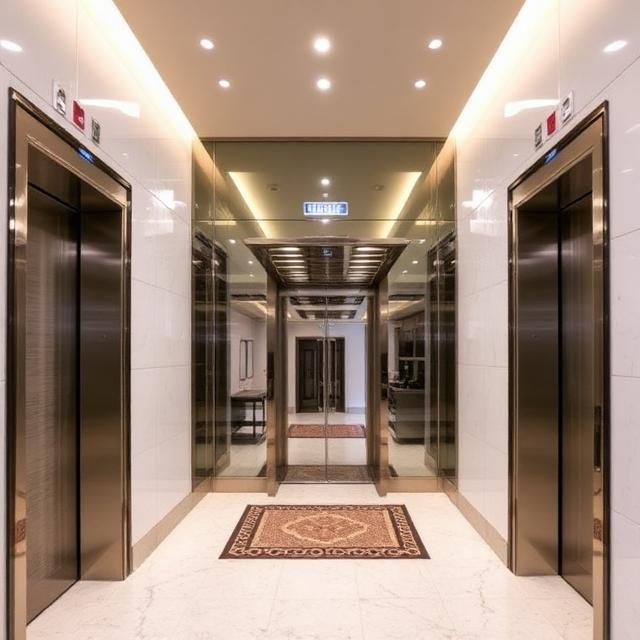
Elevators come in several styles, each with its own set of features. Traditional hydraulic elevators—slow and steady—are perfect for buildings where space for a machine room isn’t an issue. Then there are traction elevators, which are faster and more efficient, but require a bit more overhead space. For smaller buildings, a pneumatic elevator could be the quirky little choice that fits snugly without sacrificing style. Know your options, and choose wisely!
Pros and Cons of Platform Lifts
Platform lifts are the loyal sidekick in the accessibility world, particularly for buildings with limited space. They’re compact, easy to use, and often more affordable than full-blown elevators. However, they do come with some drawbacks—like limited capacity and slower travel speed. Consider the pros and cons carefully so you can make a choice that suits your property like a well-fitted glove.
Space Requirements and Aesthetic Considerations
Considerations like space and aesthetics can make or break your accessibility choice faster than you can say “building code.” Elevators require more room and can be quite the architectural investment, while lifts take up less space but may not always fit the desired visual appeal. Think about how each option harmonizes with your property’s existing look. After all, you want your accessibility solution to blend in rather than stick out like a sore thumb!
Ramp Design and Installation Considerations
Calculating the Optimal Slope Ratio
When it comes to ramps, slope is everything. The general rule of thumb is a 1:12 ratio, meaning for every inch of height, you need at least 12 inches of ramp length. This keeps things safe and manageable. So, if you’re working on a 24-inch rise, you’re looking at a ramp that’s at least 24 feet long. Of course, this is just a guideline; local codes may have their own quirks, so always check what the building police (a.k.a. inspectors) have to say!
Material Choices and Durability
Choosing the right materials is like picking the perfect pizza toppings—go for durability, texture, and longevity! Opt for non-slip surfaces like rubber or textured concrete to reduce slips, spills, and unplanned faceplants. Additionally, consider weather-resistant materials if your ramp will be outside. Steel, aluminum, and specific treated woods can stand the test of time and the elements, making them solid choices.
Accessibility Features for Safety and Ease of Use
A ramp should be user-friendly, not a mini Everest! Look for features like a gently sloping surface, sturdy handrails on both sides, and a width that accommodates wheelchairs and mobility devices without feeling like they’re navigating a narrow alley. Also, don’t forget about installation of tactile indicators at the top and bottom to aid the visually impaired. Safety first, style second, right?
Enhancing Accessibility with Additional Systems
Automatic Door Openers
Automatic door openers are like the bouncers of accessibility—they let you in without having to break a sweat! These handy devices can be installed on most types of doors, allowing for seamless entry and exit. Opt for models that can be activated via push buttons or motion sensors, and suddenly, your doors will be as welcoming as an all-you-can-eat buffet at happy hour.
Handrails and Grab Bars
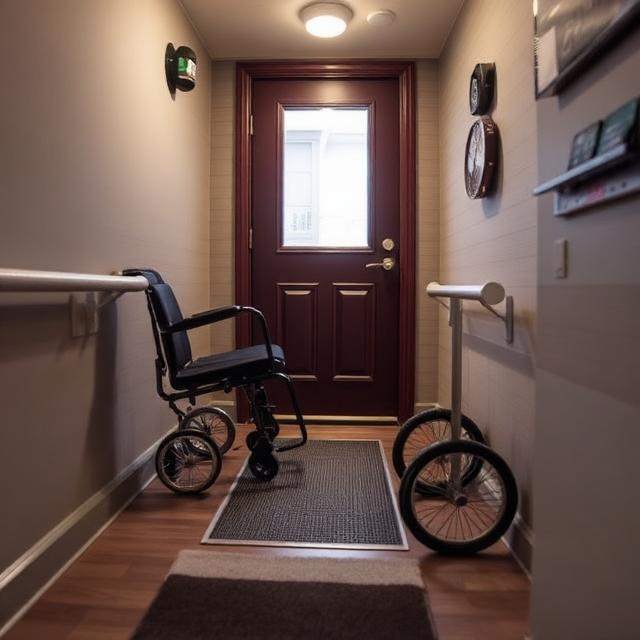
Nothing says “I’ve got your back” like handrails and grab bars. Available in various styles and materials, these features provide extra stability and support where it’s most needed—like on stairs, in bathrooms, or along hallways. Make sure to install them at the right height (typically 34 to 38 inches off the floor) and with a grip-friendly texture. It’s like having a safety net, but way more stylish!
Signage and Navigation Aids
Navigating a property shouldn’t feel like a treasure hunt! Clear, easy-to-read signs with high contrast and braille help everyone, including those with visual impairments, find their way. Consider adding tactile maps at entry points or digital kiosks that provide information about various facilities. After all, communication is key, and nobody wants to wander into the wrong room—especially if it’s the janitor’s closet!
Budgeting for Accessibility Equipment
Estimating Costs for Different Solutions
Just like figuring out how much pizza you need for a party, estimating costs for accessibility equipment can be a balancing act. Costs can vary widely based on the type of solution (ramps, lifts, etc.), materials, and installation. A simple ramp might set you back a few thousand dollars, while more complex lifts could easily cost over ten grand. So, do your research, get multiple quotes, and keep your budget—and your taste buds—satisfied!
Exploring Funding and Grants for Accessibility Projects
Don’t let budget constraints ruin your accessibility dreams! Many grants and funding opportunities are available at the local, state, and federal levels specifically aimed at improving accessibility. Check with disability organizations, state housing agencies, and even local foundations. You might just find that your project is more feasible than you think—like discovering you really can get that extra topping for free!
Long-Term Return on Investment Considerations
Investing in accessibility isn’t just an expense; it can boost your property value and widen your tenant pool. Think of it as planting a tree that grows over time. Accessible properties are often more desirable, leading to higher occupancy rates and potential tax benefits. So, don’t shortchange yourself—think long-term and make your investment count!
Maintenance and Compliance for Long-Term Accessibility Solutions
Routine Maintenance Best Practices
Just like you wouldn’t skip regular check-ups with your favorite doctor, accessibility equipment needs some TLC too. Regularly inspect ramps, lifts, and other systems for wear and tear. Check for loose bolts, frayed cables, or weather-related damage, and don’t forget to clean any surfaces to keep them safe and usable. A little maintenance goes a long way toward extending the life of your equipment!
Regular Compliance Checks and Inspections
Staying compliant is key to ensuring your property is accessible to everyone. Schedule regular inspections to ensure all systems meet current accessibility codes. It’s like going to the DMV but way more fun! Keep records of inspections, repairs, and any upgrades you’ve made, as this not only protects you legally but also shows your commitment to accessibility.
Staying Updated on Accessibility Regulations
Regulations can change, and it’s your job to keep up! Familiarize yourself with the Americans with Disabilities Act (ADA) and any local legislation. Joining industry groups or networks can help you stay in the loop about changes and best practices. Remember, being proactive is much easier than playing catch-up when compliance inspectors come calling!In conclusion, selecting the right accessibility equipment for your property is a vital step toward creating an inclusive environment for everyone. By carefully assessing your specific needs, understanding the various options available, and ensuring compliance with relevant regulations, you can make informed choices that enhance accessibility and improve the overall experience for all users. Investing in the right systems not only fulfills legal obligations but also demonstrates a commitment to fostering a welcoming space for people of all abilities.
Frequently Asked Questions
What type of accessibility equipment is best for my property?
The best type of accessibility equipment depends on your property’s specific layout, the needs of users, and budget. Elevators are ideal for multi-story buildings, while lifts may be suitable for smaller spaces. Ramps can provide an effective solution for those using wheelchairs or strollers. Consulting with an accessibility expert can help determine the best choice for your situation.
Are there grants or funding available for installing accessibility equipment?
Yes, there are various grants and funding options available at federal, state, and local levels to assist property owners in installing accessibility equipment. Programs like the ADA Title III Technical Assistance Manual and state-specific initiatives can provide financial support. It’s advisable to research funding opportunities and consult with local authorities for guidance.
How do I ensure compliance with accessibility regulations?
To ensure compliance, familiarize yourself with the Americans with Disabilities Act (ADA) guidelines as well as any local accessibility laws. Regularly consult with accessibility experts or hire professionals to perform audits of your property. Keeping up with updates to regulations and ensuring that all equipment is maintained and regularly inspected will also help maintain compliance.
What maintenance is required for accessibility equipment?
Regular maintenance is essential for ensuring the safety and functionality of accessibility equipment. This includes routine inspections, testing of safety features, lubrication of moving parts, and prompt repairs when issues arise. Following manufacturer guidelines and scheduling regular professional check-ups will help prolong the life of the equipment and ensure compliance with safety standards.